Easy Pork Pasta with Zucchini, Broccoli, Carrots & Green Beans
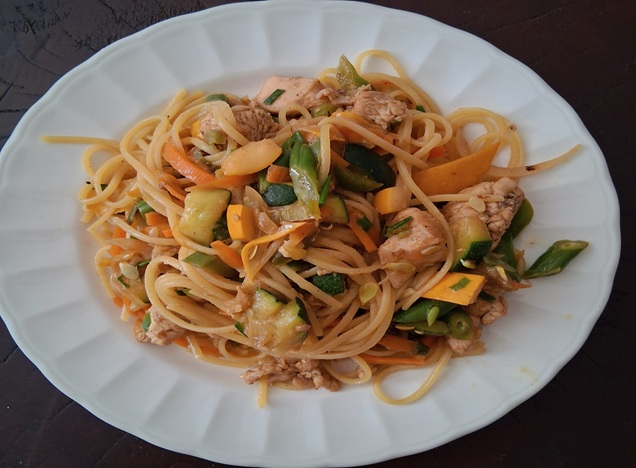
Chicken Pasta with Colorful Vegetables
A simple, fresh meal with pork, zucchini, broccoli, carrots, and green beans
Some of the best meals don’t need complicated ingredients.
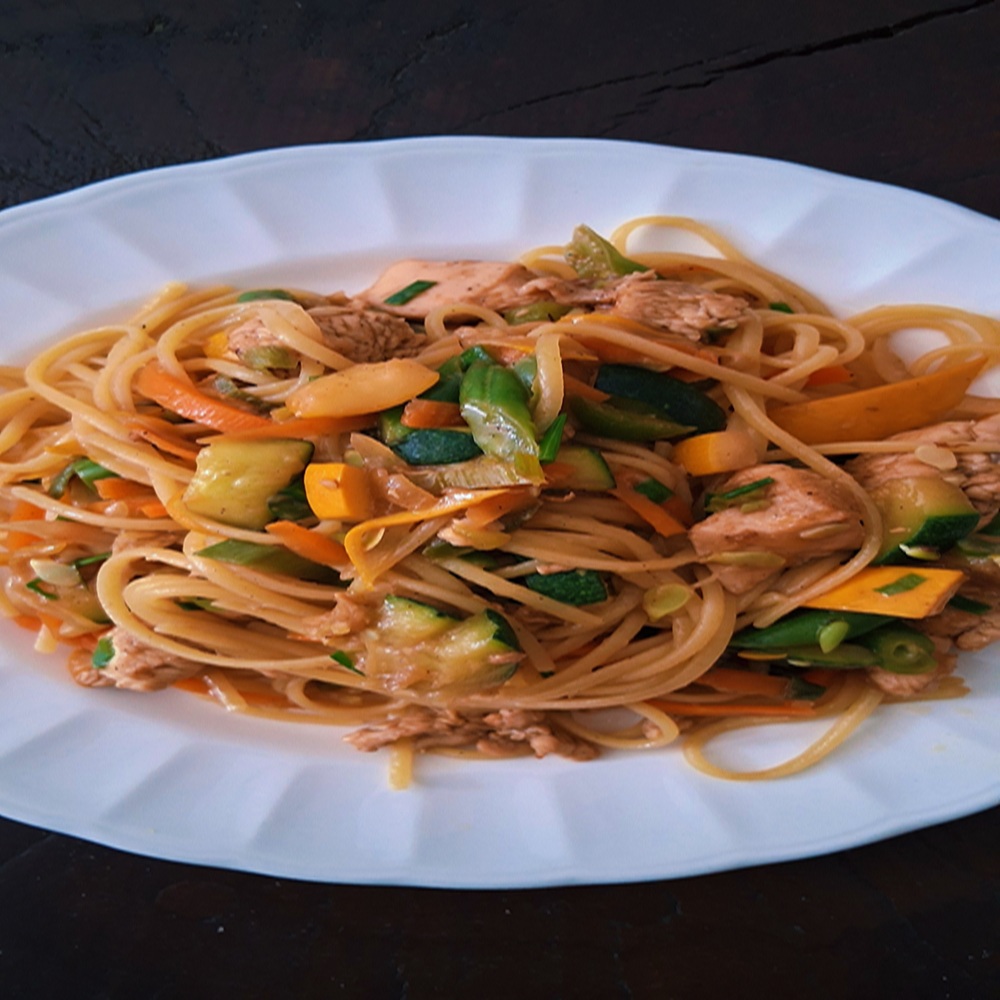
This colorful pork pasta combines something comforting—pasta—with plenty of fresh vegetables and tender pieces of chicken. Made with green and yellow zucchini, broccoli, carrots, and green beans, creating a dish with different colors, flavors, and textures in every bite.
It’s the kind of recipe you can prepare an entire meal on one plate: pasta, vegetables, and protein, all tossed together in a light savory sauce.
And perhaps my favorite thing about it?
It doesn’t feel like you’re eating vegetables because you have to. They’re one of the best parts of the dish.
Ingredients
Serves approximately 4
12 oz (340 g) spaghetti or your favorite long pasta 1 lb (450 g) boneless, skinless pork breast 1 small green zucchini 1 small yellow zucchini 1 medium carrot 1 cup broccoli florets 1 cup green beans (habichuelas) 2 cloves garlic, finely chopped 2 tablespoons olive oil or your preferred cooking oil 2–3 tablespoons soy sauce 1 teaspoon freshly ground black pepper Salt, to taste 2 tablespoons chopped green onion or chives ½ cup reserved pasta water, as needed
Optional: A small amount of sesame oil, fresh ginger, red pepper flakes, or lemon juice can add another layer of flavor.
Preparation
1. Prepare the vegetables
Wash all your vegetables thoroughly.
Cut the green and yellow zucchini into bite-sized pieces. Slice the carrot into thin strips so it cooks quickly.
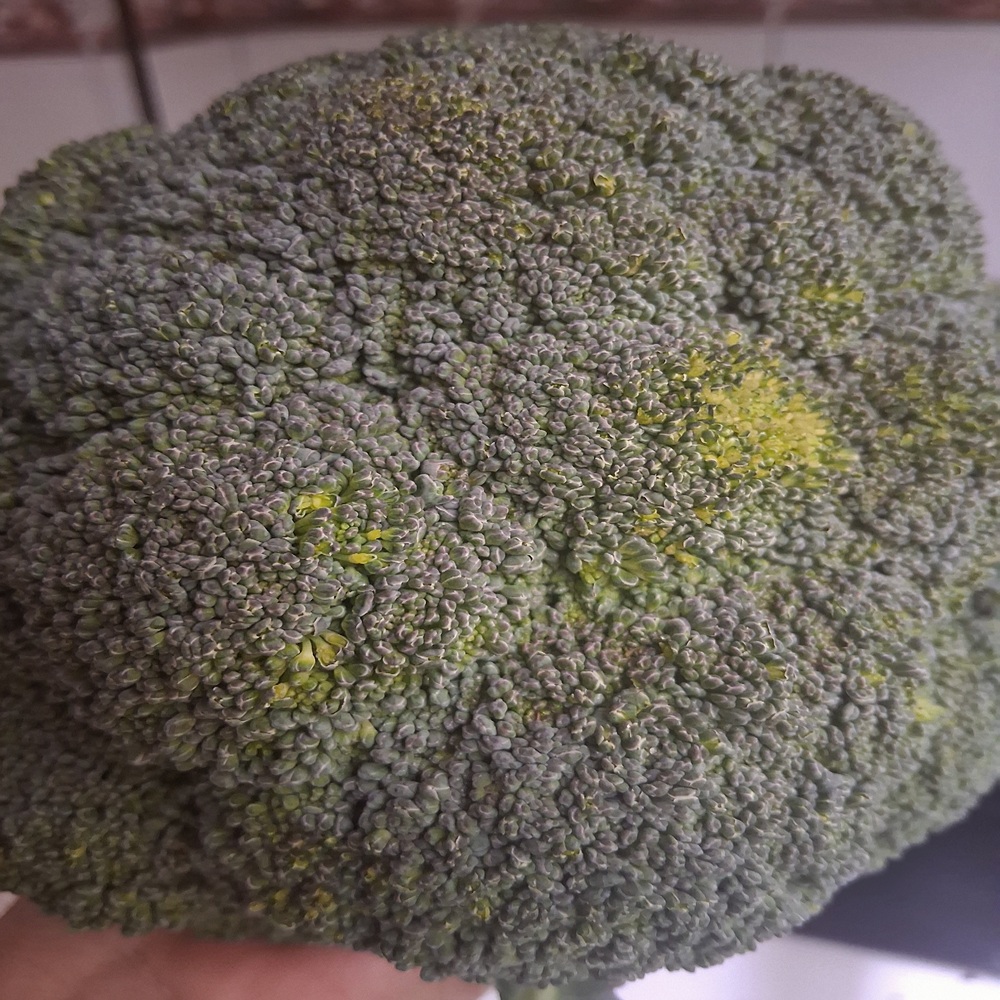
Trim and cut the green beans into smaller pieces, and separate the broccoli into small florets.
Try not to cut everything exactly the same way. Different shapes and textures are part of what makes this dish visually interesting.
2. Prepare the pork
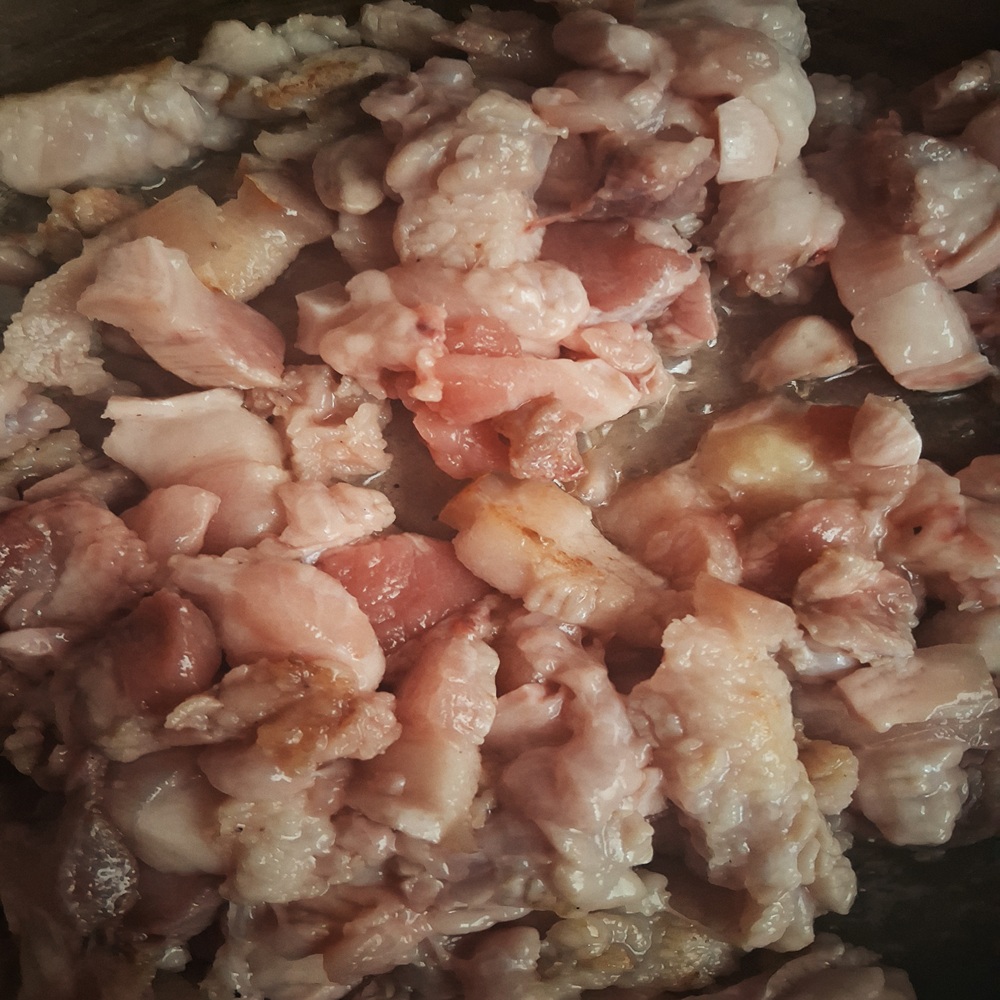
Cut the pork breast into bite-sized pieces.
Season lightly with salt and freshly ground black pepper.
Heat one tablespoon of oil in a large skillet or wok over medium-high heat.
Add the pork and cook, turning occasionally, until lightly browned and completely cooked through.
Transfer it temporarily to a plate.
3. Cook the pasta
Meanwhile, bring a large pot of salted water to a boil.
Cook your pasta according to the package instructions until al dente.
Before draining it, reserve about ½ cup of the pasta water.
Drain and set aside.
4. Sauté the vegetables
Add the remaining oil to the same skillet you used for the pork.
Start with the vegetables that require a little more cooking: the carrots, broccoli, and green beans.
Sauté for a few minutes.
Then add the green and yellow zucchini.
The goal isn’t to cook the vegetables until they’re extremely soft. Leaving them with a little texture so they remain colorful and don’t disappear into the pasta.
Add the chopped garlic near the end so it becomes fragrant without burning.
5. Bring everything together
Return the chicken to the skillet.
Add the cooked pasta and soy sauce.
Toss everything together carefully until the pork, vegetables, and noodles are evenly distributed.
If the pasta seems dry, add a splash of the reserved pasta water.
Taste before adding additional salt because the soy sauce already contains sodium.
Finish with chopped green onions or chives and freshly ground black pepper.
Time to Serve
Serve the pasta immediately while everything is warm.
What I love when looking at this plate is how much is happening in a single dish.
You get the tenderness of the pork, the comfort of pasta, the slight crunch of the vegetables, and a savory sauce tying everything together.
The green zucchini and broccoli bring deep green tones, the carrots add bright orange, and the yellow zucchini gives the dish another beautiful pop of color.
It’s simple home cooking, but it certainly doesn’t have to look boring.
Make It Your Own
This is also an excellent clean-out-the-fridge recipe.
Don’t have broccoli? Try bell peppers.
No green beans? Snow peas could work beautifully.
Want more vegetables? Add mushrooms, cabbage, onions, or spinach.
Prefer another protein? You could prepare a similar version with shrimp or tofu.
The basic idea stays the same:
Pasta + protein + plenty of vegetables + a flavorful sauce.
Once you understand that combination, you don’t really need to follow the recipe perfectly every time.
From The Kitchen
There’s something satisfying about turning everyday ingredients into a meal that looks this inviting.
Pork, pasta, vegetables, and a few seasonings aren’t complicated on their own. But put them together in the right way, and suddenly you have a colorful dish worth sitting down for.
Sometimes that’s exactly what good home cooking should be.
Enjoy!