CaliRead 2026: The Dominican Republic Brings Merengue, Faceless Dolls, and Caribbean Soul to Cali
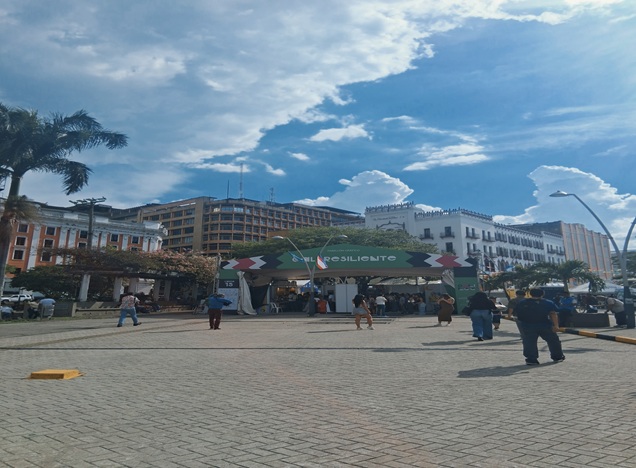
There is a rhythm that connects the Caribbean. It is not just the sound of the music, but a shared way of understanding the world—a mix of resilience, joy, and a history written by the sea.
This year, for its eleventh edition, CaliLee 2026 (October 23 – November 2) has chosen the Dominican Republic as its guest of honor. It is a choice that feels less like a diplomatic formality and more like a homecoming. The Dominican delegation, over 40 strong, is bringing more than just books. They are bringing a sensory experience designed to resonate with Cali’s own Caribbean soul.
The Sound of the Sea: From Salsa to Merengue
Cali is known globally as the world capital of salsa. But salsa itself is a Caribbean child, born from the same waters that wash the shores of Santo Domingo. At CaliLee, the two rhythms will meet.
The fair will host a musical program dedicated to the beats that have made the Caribbean dance: son, bachata, dembow, and of course, merengue. The inclusion of merengue is particularly significant. In 2016, UNESCO declared traditional Dominican merengue a Masterpiece of the Oral and Intangible Heritage of Humanity. It is not just a genre; it is the heartbeat of Dominican identity, a fast-paced, joyful expression that, like salsa, turns the dance floor into a shared space of liberation.
The Silent Art: The Faceless Dolls
While merengue fills the air with sound, one of the Dominican Republic’s most profound artistic traditions speaks through silence.
The Faceless Dolls (Muñecas sin Rostro)), also known as Dolls Limé, are a staple of Dominican craftsmanship. Born in the 1980s in the pottery community of El Higüerito, these clay figures are deliberately crafted without eyes, noses, or mouths.
To a foreign eye, it might look like an incomplete piece. But to a Dominican, it is a profound statement of identity. The absence of features is a deliberate metaphor for the country’s mixed race (mestizaje) —the fusion of Taíno, African, and European heritage. By having no specific face, the doll represents every face. It is a tribute to the universal Caribbean woman and the diverse cocktail of cultures that defines the nation.
At CaliLee, artisans from Santiago de los Caballeros will showcase these dolls alongside other traditional crafts, offering Cali a chance to see a piece of Dominican soul that is, in its own silent way, as expressive as a song.
A Dialogue of Resilience
This cultural exchange takes on a deeper meaning in 2026. Cali is still healing. Just eleven weeks ago, the city and the surrounding region were shaken by a devastating earthquake.
The presence of the Dominican Republic, a nation that knows its own share of Caribbean storms, feels like a gesture of solidarity. The fair itself is not ignoring this reality. CaliLee 2026 will donate 100,000 children’s and young adult books to the communities affected by the earthquake, turning the festival into a tool for emotional and educational recovery.
The pavilions themselves carry the names of this resilience: Cali Strong, Cali Supportive, Cali Resilience, Cali Happy. In this context, the Dominican rhythms and the faceless dolls are more than just cultural exports. They are a reminder that joy is a form of resistance, and that art—whether it is a fast merengue or a silent clay figure—can help a city rebuild.
A Meeting of Writers
Beyond the music and the crafts, the literary dialogue is at the core. The Dominican delegation includes writers like Frank Báez and Ledis Priscila Velázquez Rivera, alongside cultural officials like Pastor de Moya. They will share stages with Colombian authors like Daniel Samper Ospina, Evelio Rosero, and Mario Mendoza, creating a conversation that bridges the islands of the Caribbean with the mountains of the Andes.
For eleven days, the Bulevar del Río will be a place where the salsa of Cali meets the merengue of Santo Domingo, where the silence of a faceless doll speaks volumes, and where a city in recovery finds a reason to dance again.
CaliLee 2026 is free and open to the public from October 23 to November 2.