Cali's World Salsa Festival 2026: When the City Danced to Heal
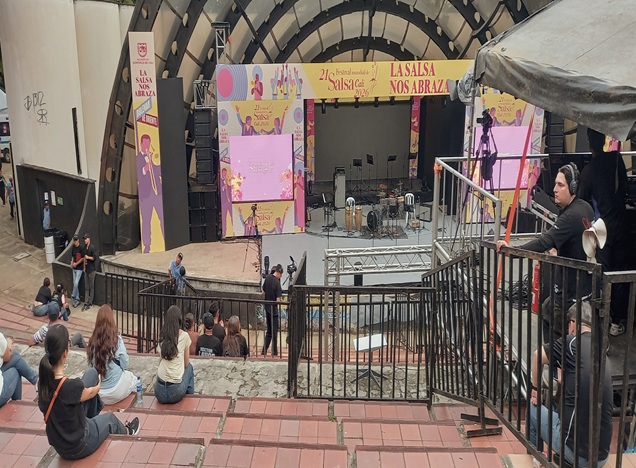
There is a moment, at every salsa festival in Cali, when the music stops and the city holds its breath. Usually, it is before the judges announce the champions. The dancers stand in formation, hands trembling, waiting for the score that will crown them or break them.
This year, that moment never came.
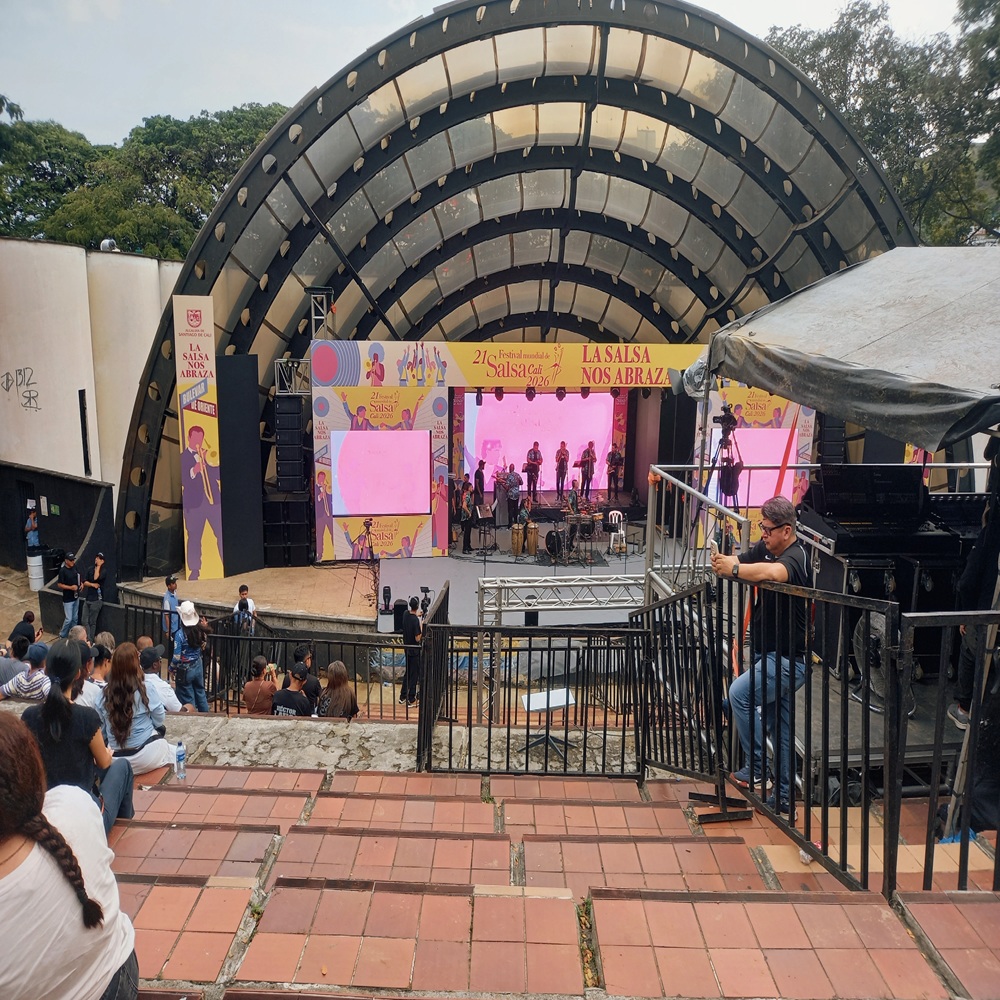
The 21st World Salsa Festival, held from October 23 to 25 at the Teatro al Aire Libre Los Cristales, did not have judges. It did not have scores. It did not have champions. And that, perhaps, is what made it the most important edition in the festival’s history.
The Earthquake That Changed Everything
On August 10, 2026, a magnitude 7.4 earthquake struck western Colombia. Cali, the self-proclaimed World Capital of Salsa, was among the hardest-hit cities. Buildings collapsed. Families were displaced. The city that had spent decades exporting joy through its dance steps was suddenly forced to count its dead.
In the weeks that followed, the Secretaría de Cultura de Cali faced a difficult question: should the festival go on?
They consulted the salsa schools—the academies that form the backbone of Cali’s dance ecosystem. The response was unambiguous. 61 of the 73 schools, representing 83.6% of participants, said they could not compete . The earthquake had taken too much. The dancers were grieving, displaced, or simply unable to train.
The city listened. And then it did something remarkable.
From Competition to Embrace
Instead of canceling the festival, Cali transformed it. The competition was eliminated. The judges were dismissed. The scores were erased. What remained was something simpler and, in its own way, more radical: a collective exhibition of dance as an act of survival .
Under the slogan “La salsa nos abraza”—Salsa embraces us—the festival became a space for circulation, not competition. The 73 schools were invited to perform, not to be ranked. The stages were opened to children, to elders, to social dancers and to professionals alike. The point was not to find the best dancer in Cali. The point was to remind the city that it was still alive.
The Numbers of Resilience
The scale of the 2026 festival was staggering. Over the three days at Los Cristales, more than 8,000 people attended . Between 1,200 and 1,600 artists took the stage, representing 24 orchestras and 79 dance schools and groups . The programming was free and open to the public.
On Friday, October 23, the orchestras opened the festival: Son Imbanaco, Antorcha, Primera C de Carlos Escobar, and Jorge Corrales . On Saturday, the dance schools took over, with groups like Swing Latino, Fundación de la Vieja Guardia, Pioneros del Ritmo Colombia, Step Dance, and Show Latino performing from noon until night . The Saturday lineup also featured orchestras Universal Bam, Bembere, Herederos de la Salsa, Mambore Orquesta Internacional, and Kboomm .
On Sunday, the children stole the show—a family day that featured the youngest generation of Cali dancers, proving that the tradition would not die with the earthquake .
The festival was not over. It moved into the neighborhoods: November 7 in barrio Obrero, and November 14-15 at the Bulevar del Oriente . The salsa did not stay in the theater. It went to the people.
What It Meant
For international readers, Cali’s salsa is often reduced to a tourist attraction: a spectacle of spinning bodies and acrobatic lifts. But to understand what happened at Los Cristales this October, you have to understand something deeper.
Salsa in Cali is not entertainment. It is identity. It is the language of the barrio, the sound of the bus, the rhythm that plays in the kitchen while dinner is made. When the earthquake shook the city, it shook the very thing that held it together.
The decision to cancel the competition was not a retreat. It was an assertion of values. In a moment when the city could have tried to pretend everything was normal, it chose instead to be honest. The dancers were hurting. The schools were struggling. So the festival became a space to hurt together, and then to dance together anyway.
The City That Dances
Cali has been called the World Capital of Salsa for decades. The title was earned through generations of dancers, musicians, and schools that turned a Caribbean import into something unmistakably local. The city’s salsa is faster, sharper, more acrobatic—a style that has traveled the world and returned home.
But this year, the title meant something different. It meant that when the ground shook, the city did not fall silent. It meant that when the schools could not compete, the city did not cancel. It meant that salsa, in Cali, is not just a dance. It is a way of saying: We are still here.
The festival continues in November. The stages move to the neighborhoods. The music plays on.
And Cali, embraced by its own rhythm, keeps dancing.
Frequently Asked Questions
When was the 2026 World Salsa Festival in Cali?
The main event took place from October 23 to 25, 2026, at the Teatro al Aire Libre Los Cristales. The festival continues on November 7 in barrio Obrero and November 14-15 at the Bulevar del Oriente.
Was there a competition at the 2026 festival?
No. After the August 10 earthquake, 61 of 73 salsa schools voted to cancel the competition. The festival became an exhibition and circulation event instead.
Which orchestras performed at the festival?
The opening night featured Son Imbanaco, Antorcha, Primera C de Carlos Escobar, and Jorge Corrales. Saturday included Universal Bam, Bembere, Herederos de la Salsa, Mambore Orquesta Internacional, and Kboomm.