The Earth Did Not Forget Them. Neither Will We: Colombia's 7.4 Earthquake
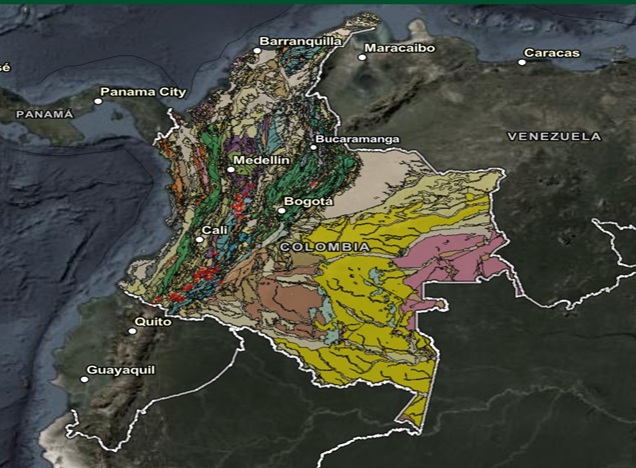
On August 10, 2026, at 7:34 in the morning, the earth beneath Colombia shook for over four minutes.
Magnitude 7.4. Epicenter in San José del Palmar, Chocó. Depth of 103 kilometers. The largest earthquake recorded in Colombia in the 21st century.
I am alive. My neighborhood survived. But many did not.
This is what we know. This is what we must not look away from.
Chocó: The Epicenter of the Catastrophe
Chocó is one of Colombia’s poorest and most neglected departments. Before the earthquake, it was already a place where the state’s presence was thin, where basic services were scarce, where communities survived on their own because no one else came.
Now it is the epicenter of a national tragedy.
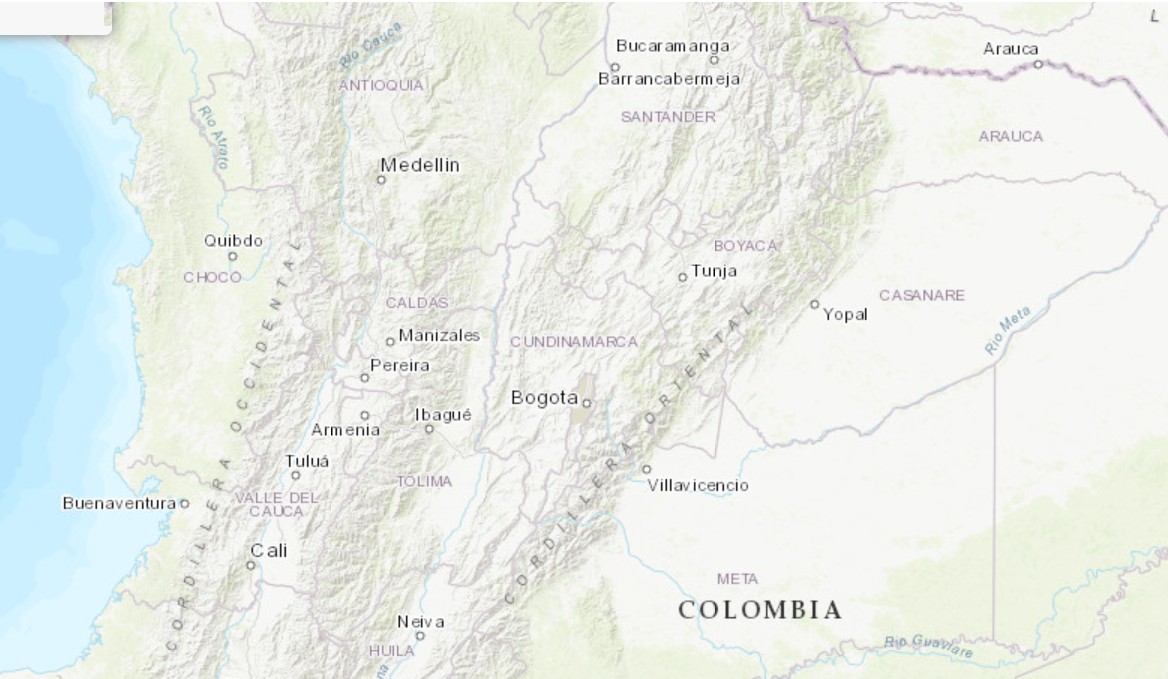
The government of Chocó has confirmed, as of 14 hours ago: 13 people dead. 131 injured. Approximately 3,500 affected. Five people still missing. Rescue teams have worked through the entire night without rest. They are searching two specific sites where people may still be trapped.
The highway is affected. Access is difficult. The humanitarian logistics center has been set up at the old Postobón warehouse, Kilometer 4, on the road from Quibdó to Yuto. Aid is arriving, but slowly. The geography that makes Chocó beautiful also makes it hard to reach.
Buenaventura: The Port City That Refuses to Sink
Buenaventura is the largest Afro-Colombian port city in the country. It has survived war, state abandonment, and generational poverty. On August 10, the earth shook it too.
Rescue operations are active. SATENA flights are operating to and from Buenaventura — a lifeline when roads are uncertain. Search and rescue teams are working at the Bajada del Naranjito. Every hour counts.
This is the same Buenaventura that voted overwhelmingly for change in June. The same communities that have been marginalized, ignored, and dismissed by the central government for decades. The same people who keep showing up for Colombia even when Colombia does not show up for them
Cali and Valle del Cauca: The Ground Gave Way
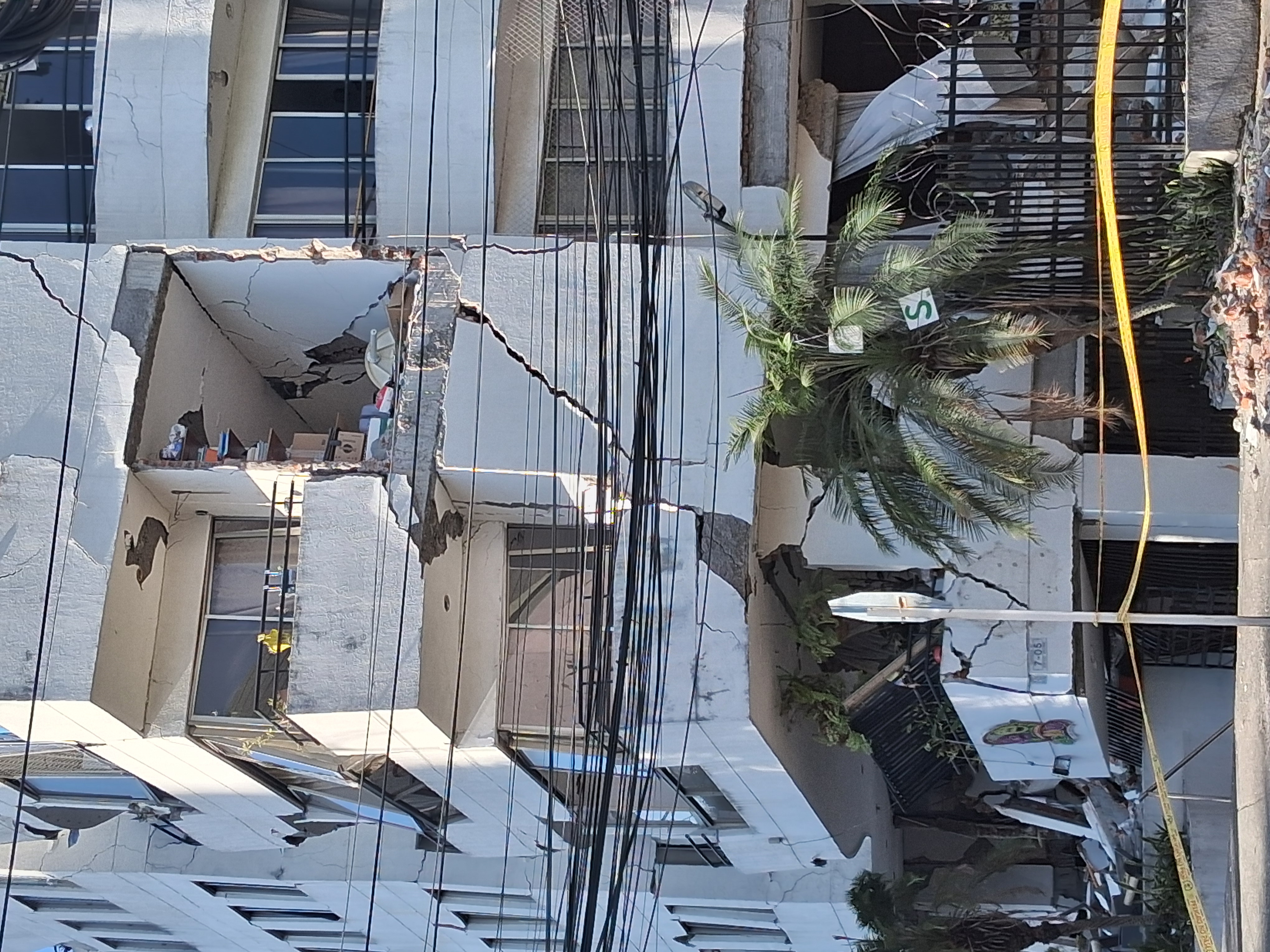
In Cali, in the south of the city, the damage is severe. As of 11 hours ago, the numbers are devastating: 35 deaths. 700 injured. 188 people missing. Five thousand houses have collapsed. Three hospitals have suffered structural damage. The Alfonso Bonilla Aragón International Airport has restricted operations due to damage.
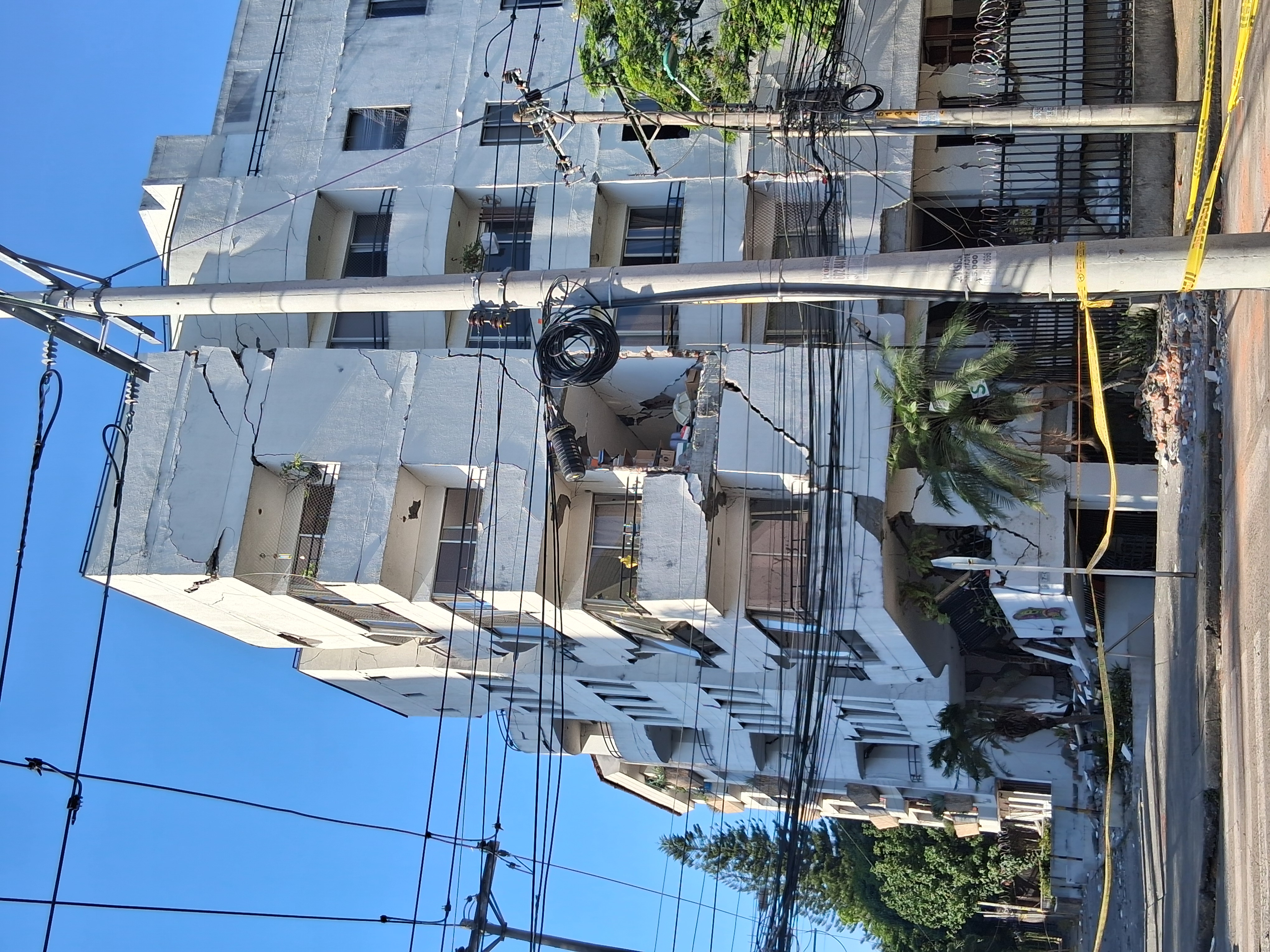
Families are sleeping outside tonight. Not because they want to. Because they have no homes to return to. Because the aftershocks keep coming — 18 so far, magnitudes between 1.4 and 4.8, and more are expected. The earth is still settling. The fear has not stopped.
The Coffee Zone: A Memory That Still Hurts
The earthquake was felt across the Coffee Zone — Risaralda, Caldas, Quindío. For many Colombians, this brings back a wound that has never fully healed.
In 1999, a 6.2 magnitude earthquake struck the Coffee Zone. The epicenter was in Armenia. More than 1,000 people died. Thousands more were injured. Entire neighborhoods collapsed. The government created the FOREC — the Fondo para la Reconstrucción del Eje Cafetero — to manage the recovery. It was widely considered a failure. A reconstruction that never fully reconstructed. A promise that was made and then forgotten.
Now, 27 years later, the ground has shaken the same region again. The damage from this earthquake in the Coffee Zone is still being assessed. But the memory is already awake. The fear is already back. And the question hangs in the air: Will this time be different?
The Science: What the SGC Has Confirmed
The Servicio Geológico Colombiano has been transparent and clear.
The earthquake was caused by the subduction of the Nazca Plate under the South American Plate. This is the same tectonic process that makes Colombia one of the most seismically active countries on Earth. On average, Colombia experiences 2,500 earthquakes per month. Most are imperceptible. This one was not.
The SGC has confirmed 18 aftershocks so far, centered in San José del Palmar and Sipí, Chocó, with magnitudes between 1.4 and 4.8. More will come.
The SGC has explicitly stated: this earthquake is NOT related to the activity of Volcán Puracé, which is currently on Orange Alert.
What This Means
This is not just a natural disaster. It is a social one.
The communities suffering the most — Chocó, Buenaventura, the Afro-Colombian Pacific, — are the same communities that have been historically abandoned by the Colombian state. They are the same communities that voted for dignity in the last election. The same communities that have waited for promises to become pavement, for laws to become hospitals, for speeches to become schools.
Now they are waiting under open skies, counting their dead, searching for their missing, and wondering if anyone will come.
If you are in Colombia:
Donate blood. Hospitals need it urgently.
If you are near the affected zones and it is safe, ask local shelters what they need. Sometimes the most valuable donation is a blanket, a bottle of water, or your presence.
If you are abroad:
Donate money to verified organizations, not personal accounts unless you personally know the person collecting.
Share this post. Visibility is aid. The world needs to know what is happening in Chocó, in Buenaventura, in Cali and the coffee zone.
The Same Communities, the Same Fight
Those communities are the same ones on the ground tonight.
Chocó. Buenaventura. The Afro-Colombian Pacific. The working-class neighborhoods of Cali. The Coffee Zone that remembers 1999 and fears 2026.
They are not just places on a map. They are people. They are families. They are the same Colombians who have survived war, displacement, and neglect for generations.
The earth shook them. But it is not the earth that will determine whether they recover. It is us.