Before the Breakdown: Cali's Tourism Story 2017-2019
The City That Danced, Then Stumbled, Then Found Its Rhythm Again
The Golden Years Begin
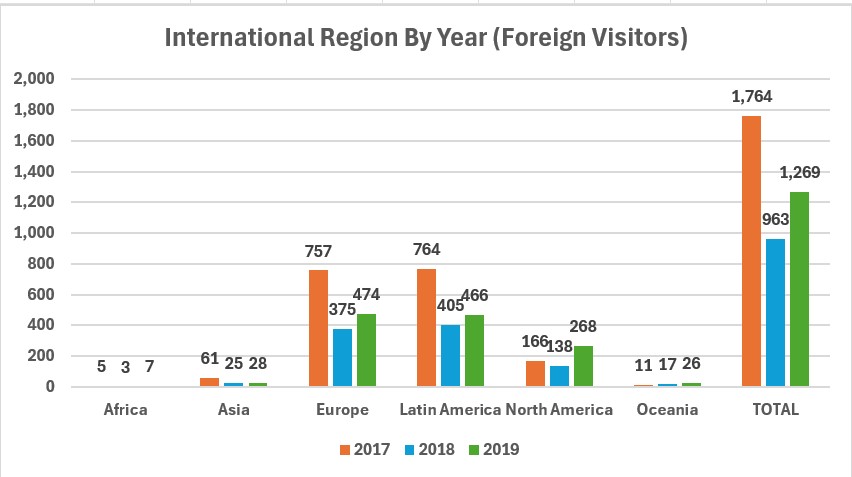
Picture Cali in 2017: the sun warming the streets, salsa music spilling from every corner, and visitors arriving from every corner of the globe. That year, 5,091 travelers discovered the city’s magic, with Europeans making up the largest international group at 757 visitors, North Americans adding another 166, and Latin Americans arriving in droves at 764.
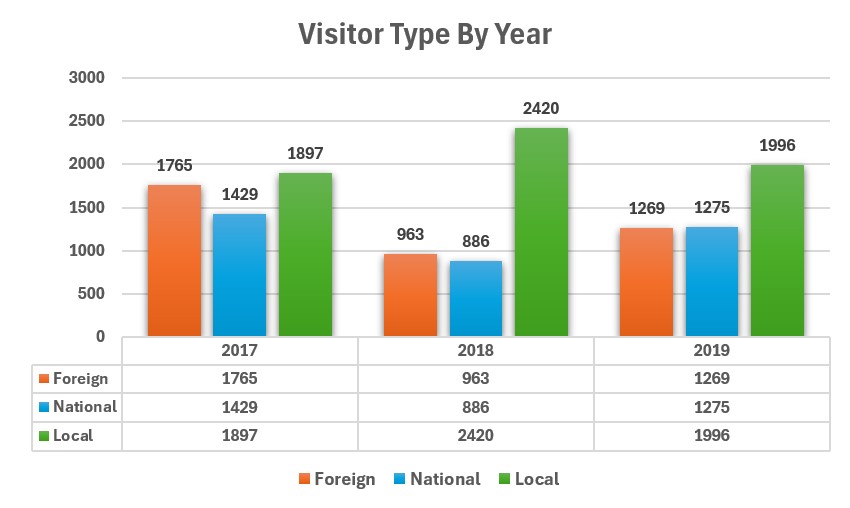
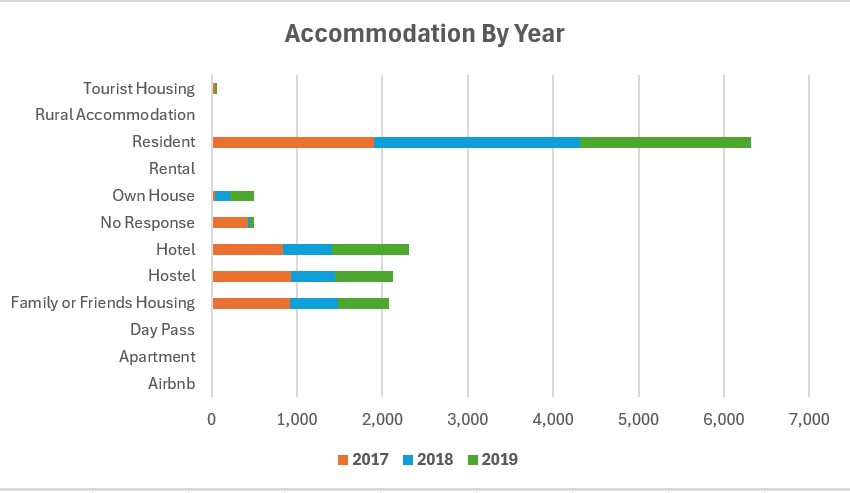
Tourists came for culture—2031 of them specifically seeking Cali’s famous heritage—and they stayed, with 2,865 visitors enjoying 2-3 nights and nearly 500 lingering for more than ten days. Hotels buzzed with 832 guests, hostels welcomed 927 budget travelers, and even the local economy benefited as 923 visitors stayed with friends and family. The gender balance was healthy, the age mix vibrant, and Cali felt like a city on the rise. It was a golden moment for Colombia’s salsa capital.
The Year Everything Changed
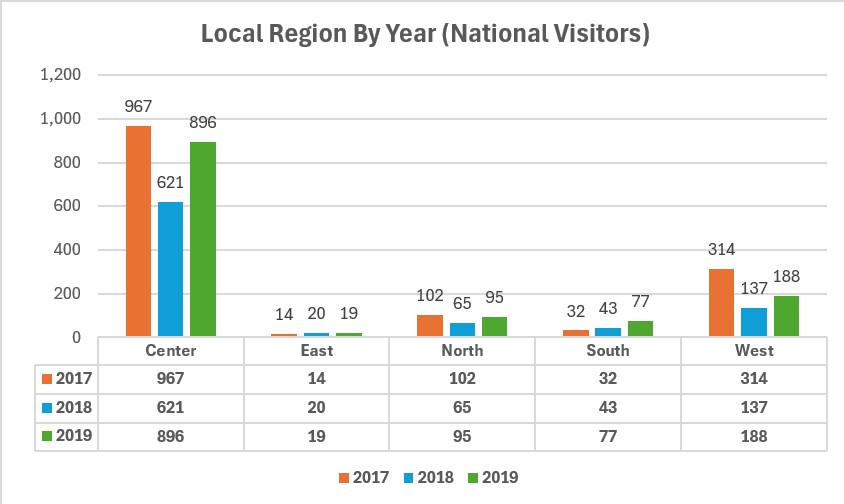
Then came 2018, and the rhythm faltered. Total visitors dropped to 4,269, a staggering 16% decline that left tourism businesses scrambling. The international crowd vanished: Europeans fell by half from 757 to just 375, Latin Americans dropped to 405, and suddenly Cali’s streets felt emptier of foreign faces. Even domestic travelers from other Colombian cities disappeared, dropping 38% to just 886 visitors.
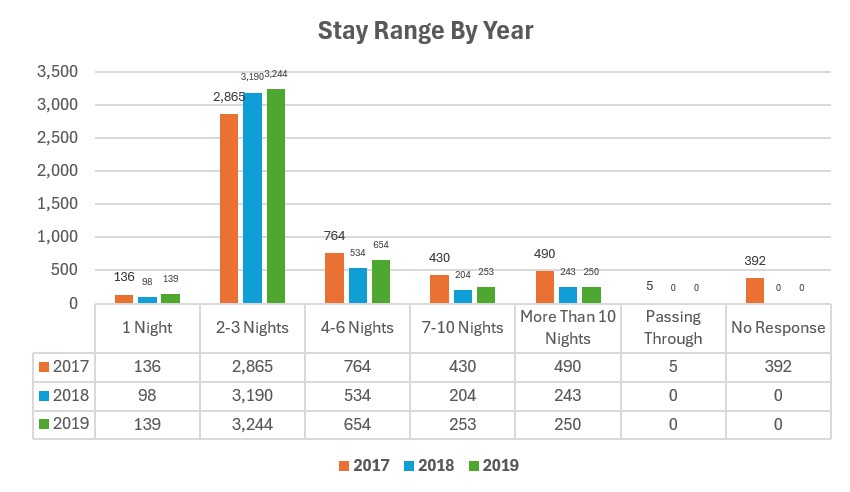
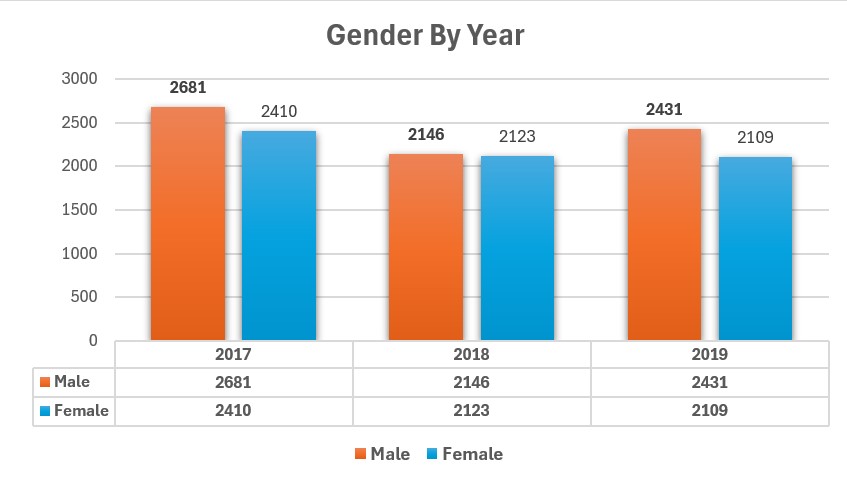
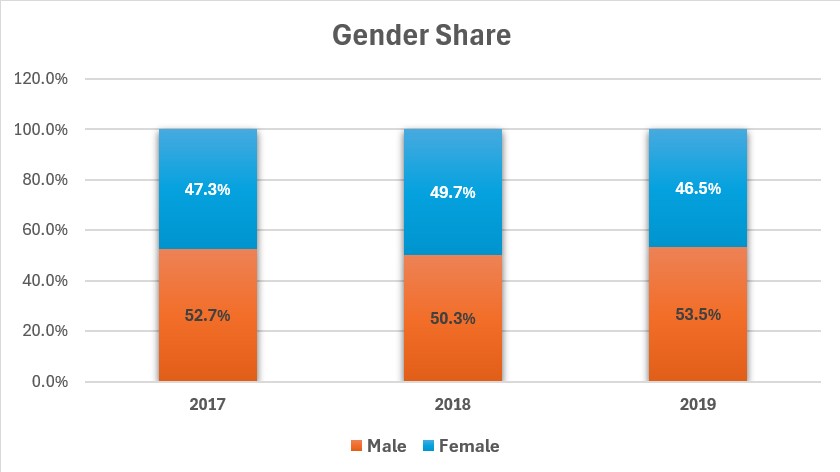
But here’s where the story gets interesting: the locals showed up. Cali residents, who had always visited their own city’s attractions, surged from 1,897 to 2,420—a 28% jump that kept museums, restaurants, and cultural sites alive. On the positive side, the city felt more balanced: gender parity nearly achieved its closest point ever, and while cultural tourism declined dramatically, recreational and vacation travel held steady. The drop in international visitors was concerning, but the resilience of local tourism proved that Cali’s spirit remained unbroken.
The Phoenix Rises
By 2019, Cali began finding its footing again. Total visitors recovered to 4,540, with national tourists returning to their 2017 levels and foreign numbers rebounding to 1,269—a 32% jump from the previous year’s lows. North Americans became the surprising hero of this recovery, growing 61% from 2017 to 268 visitors, while Europeans also climbed back to 474. But the most remarkable transformation? Travelers changed why they came.
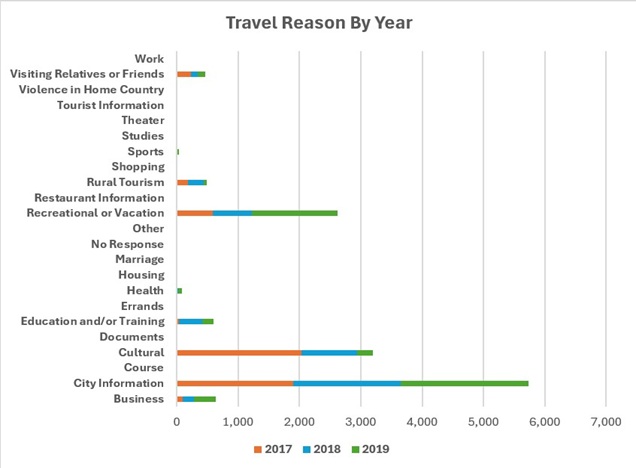
Recreational and vacation tourism exploded from 591 to 1,403 visitors, more than doubling in three years, while business travelers grew nearly fourfold from 101 to 352. The culture-focused visitor who once defined Cali—1,897 in 2017—had largely disappeared, replaced by sun-seekers, conference attendees, and adventure tourists. Hotels rebounded spectacularly, welcoming 906 guests—surpassing even 2017 levels. Meanwhile, air travel exploded: 1,757 visitors flew into Cali in 2019, a 44% jump that signaled better connections and new routes. The city was changing, but it was growing.
What It All Meant
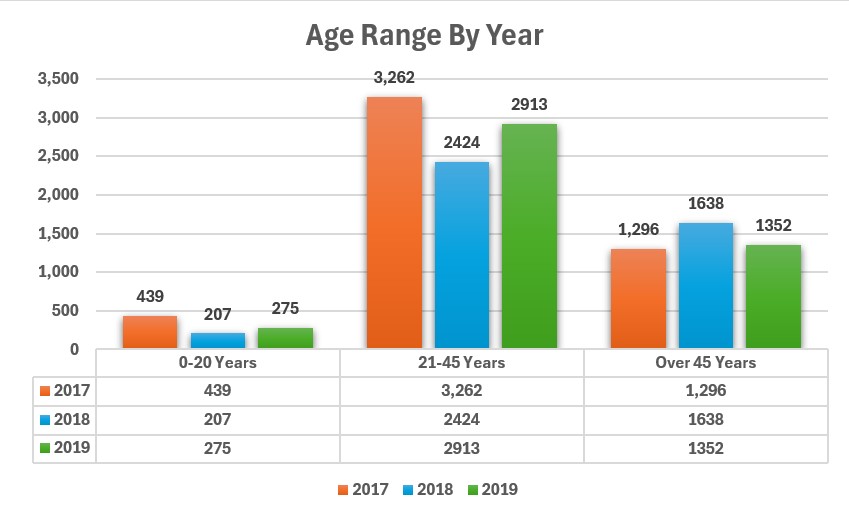
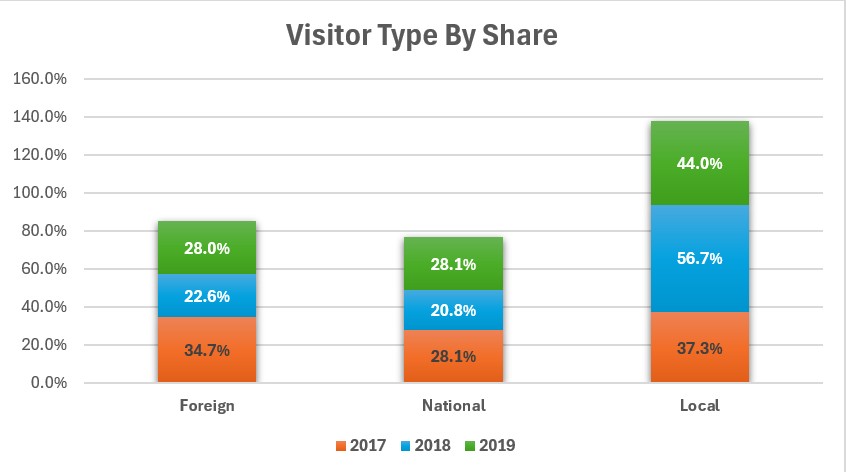
Behind the numbers, Cali’s tourism story reveals a city in transition. By 2019, locals made up 44% of all visitors, compared to just 37% in 2017, meaning the city had become more dependent on its own residents and less reliant on international travelers. Visitors also stayed shorter: 2-3 night trips grew from 56% to 71% of all visitors, while long-term stays of more than ten days nearly halved.
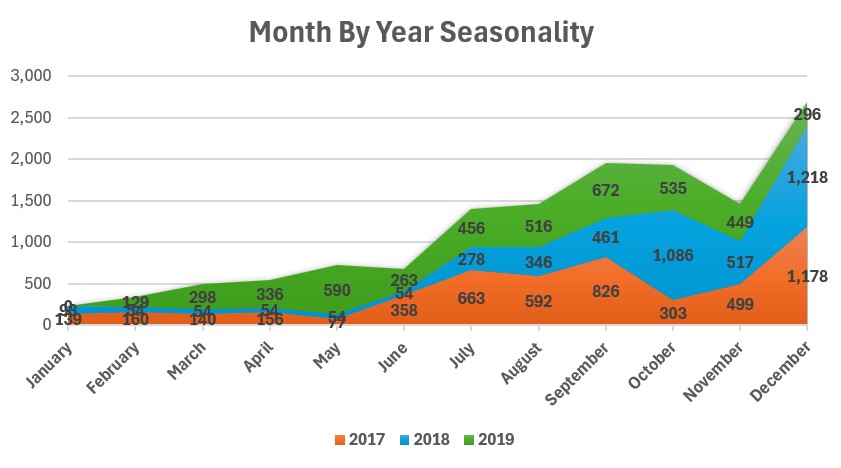
This meant less money spent, fewer nights in hotels, and a shift toward quicker, cheaper getaways. Yet the city adapted: December became a booming month, growing 48% as Cali positioned itself as a year-end holiday hotspot, and the seasonality of tourism softened, offering more stable year-round opportunities for local businesses. Cali in 2019 was no longer the same city as 2017—more local, more recreational, and more resilient in its own way.
Looking Ahead
As Cali entered 2020, it carried both scars and strengths from this three-year journey. The city had lost some of its international sparkle, but its people had proven they would show up for their own city. The tourist who once came for culture had given way to the vacationer seeking fun, the business traveler seeking opportunity, and the local resident seeking weekend escape. Cali’s tourism story before the breakdown was one of resilience, adaptation, and the enduring spirit of a city that knows how to dance through hard times.
The question for the future was simple: could Cali rebuild its international appeal while holding onto the local love that kept it alive? Only time would tell, but one thing was certain—Cali would keep dancing.
📈 Video about this Post
The pandemic hit. Cali fell silent. But the city didn’t stop dancing. Coming soon: After the Breakdown
disclaimer: | This article is based on a sample of 13,900 visitors recorded in cali Colombia tourism survey between 2017 and 2019. The analysis reflects pre-pandemic conditions and does not account for the impact of COVID-19, which began affecting global tourism in early 2020. All figures and percentages are derived from the dataset provided and are intended for informational and analytical purposes only. The interpretations, analysis, and conclusions expressed are those of the author and do not necessarily represent the views or official positions of cali Goverment or any government entity. Readers are encouraged to consult for complete and updated official tourism statistics.
Frequently Asked Questions
What happened to Cali’s tourism between 2017 and 2019?
Total visitors declined 16.1% from 5,091 in 2017 to 4,269 in 2018, before recovering modestly to 4,540 in 2019. The visitor mix shifted dramatically toward local residents (from 37% to 44%) and away from foreign visitors (from 35% to 28%).
Why did foreign visitors decline in Cali?
Foreign arrivals fell 45% between 2017 and 2018, from 1,765 to 963. European visitors dropped by half, from 757 to just 375. While North American visitors grew 61% over the three-year period, overall international numbers remained below 2017 levels by 2019.
What changed in visitor motivations?
Cultural tourism collapsed 87% from 2,031 visitors in 2017 to just 262 by 2019. Meanwhile, recreational and vacation travel more than doubled from 591 to 1,403 visitors, and business travel grew nearly fourfold from 101 to 352 visitors.
Did visitors stay longer or shorter?
Visitors stayed shorter. The share of 2-3 night stays grew from 56% to 71% of total visitors, while visits of more than 10 nights nearly halved from 490 to 250 visitors. This meant lower per-visitor spending and reduced economic impact.
What does this mean for Cali’s tourism future?
Cali entered 2020 with a tourism sector that was more dependent on local visitors, more recreational, and with shorter stays. While air connectivity improved (44% growth) and North American visitors increased, rebuilding international appeal remains a key challenge for post-pandemic recovery.